
Introduction
Imagine you buy a bottle labeled as “all-purpose cleaner” or “disinfectant” and spray it on your surface which you want to clean; and hope nothing catches fire or this detergent will never stain your marble as well. But do you really know what’s inside? Ingredient labels on cleaning and detergent products are your backbone to safety, performance, and environmental consideration. If you can learn to read them, I guaranteed that you’ll pick smarter, safer products and avoid the nasty surprises I-e; skin irritation, damaged surfaces or hidden toxins etc.
This guide takes you step by step through each section of a cleaning product label, the warning/hazardous codes, the tricky marketing terms, and how to use that knowledge to shop like someone who actually cares for their belongings and home.
Why it Matters: Don’t Trust the Hype Alone
Before diving into the label, keep in mind one realistic thing that marketing is unregulated in many parts of the world when it comes to label like non-toxic or eco-friendly. You can’t rely on these buzzwords. The environmental working group warns that terms like “natural” or “non-toxic” are often meaningless unless backed by ingredient transparency and strict regulations like ZDHC (Zero Discharge of Hazardous Chemicals) compliance.
Also many cleaning products carry volatile organic compounds and fragrances that can trigger asthma, or surfactants harmful to many skin types and aquatic life. So reading the label is your defense in that sense.
Anatomy of a Cleaning or Detergent Product Label
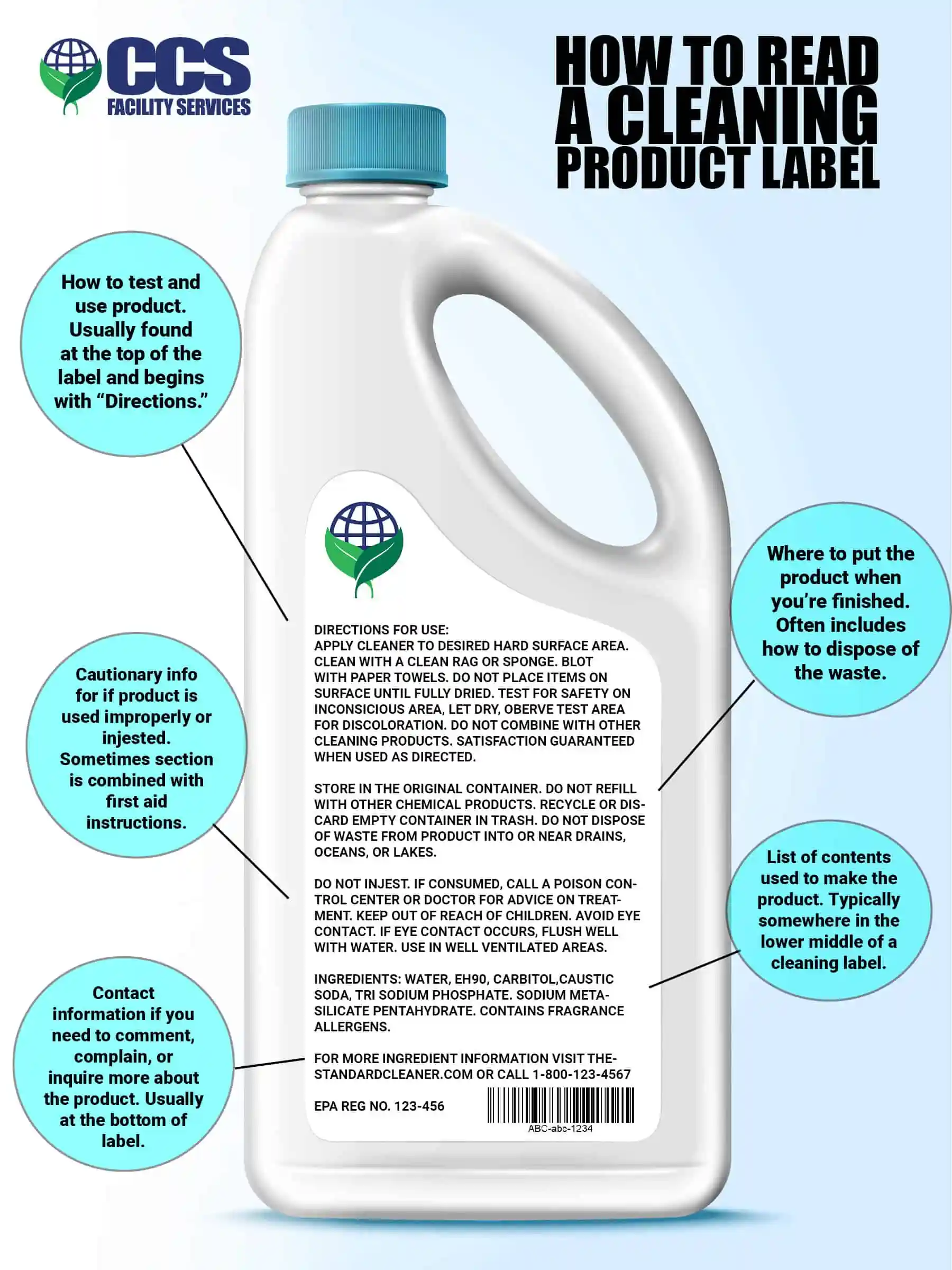
Most cleaning and detergent product labels share the same structural elements and knowing where to look is half the battle. According to the cleaning Institute and industry guides, the key parts are:
⦁ Product identity and its purpose of use
⦁ Active and inert ingredients
⦁ Signal hazard words (Text and Pictograms)
⦁ Directions for use
⦁ Safety, first aid and warnings
⦁ Storage and disposal
⦁ contacts or manufacturer details
⦁ Certifications, compliance and regulations and seal marks
Let’s break them down.
(i) Product Identity and Purpose
At the top or front of the label, you’ll see what the product claims to be; e.g. Disinfectant, Degreaser, Glass Cleaner, Bathroom Cleaner, All-Purpose Cleaner. This tells you what the manufacturer intends it to do but don’t take it at face value. The claims should align with the active ingredients in the product (in the ingredient section of the label). If the product’s stated purpose doesn’t match what you plan to use it for, you’re asking for sure trouble (e.g. using bleach on marble).
(ii) Active vs. Inert Ingredients
Here’s where chemistry flows in for your help. Labels often split ingredients into active and inert. Active ingredients are what drive the cleaning or disinfecting function. Examples include hydrogen peroxide, quaternary ammonium compounds, sodium hypochlorite (bleach), per acetic acid, LABSA and SLES. While on the other hand, inert ingredients might include stabilizers, solvents, fragrances and dye, etc. In that sense, they support the formula but don’t carry the power claim. Always check the concentration of active ingredients. A product that claims “kills 99.9%” but has minuscule active content is suspect. Be wary of vague listings like sweet fragrance and pure purfume for your home, while you actually choose a good disinfectant for your bathroom.
(iii) Signal Words and Hazard Indicators
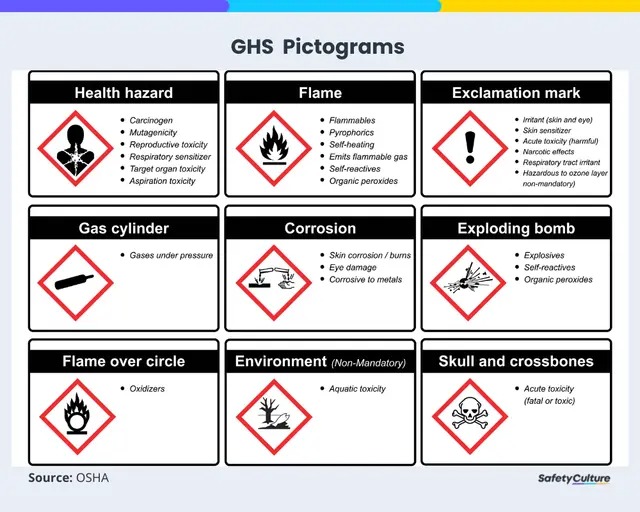
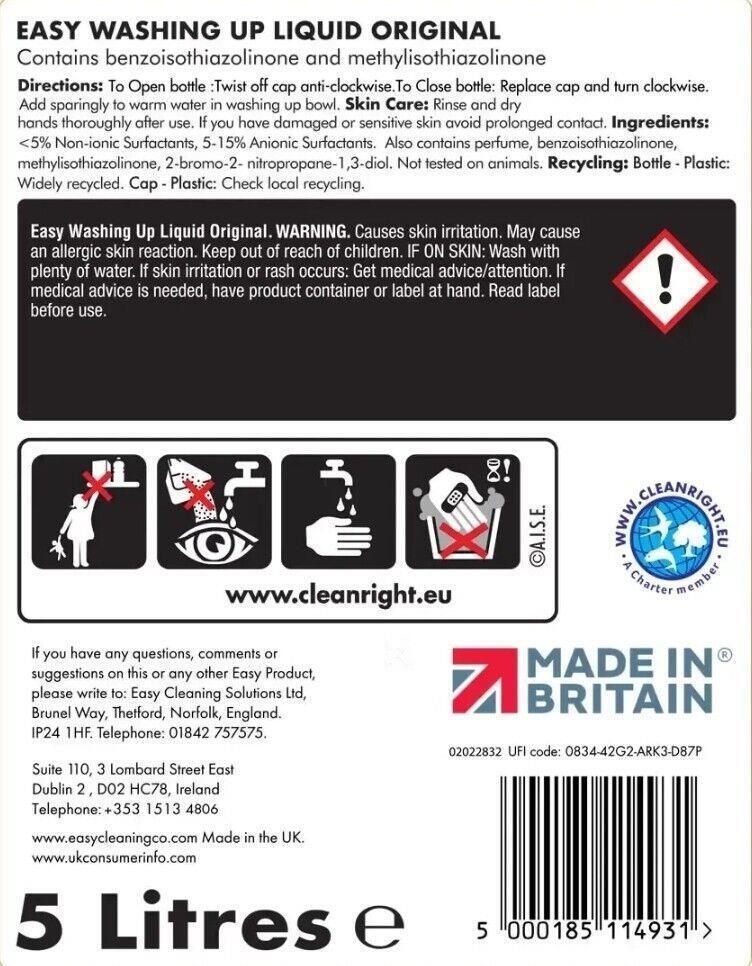
These words and pictogram hazard symbols are legally required in many jurisdictions. They tell you how dangerous the product might be if not handled properly or misused.
Common signal words are as follow:
Caution which implies lowest level of hazard
Warning that means intermediate level of hazard present and care should be made while dealing.
Danger means very dangerous and highest hazard present. Wear proper PPE’s while dealing with it.
Also look for pictograms like flame icons, corrosive icons and exclamation marks etc. These aren’t decorative rather they scream “read me carefully.”
(iv) Directions for Use / Dilution Guides and Contact Time
This is where most people skip but it’s actually the crucial one. Many products must be diluted (mixed with water) to use gets it productivity effectively. Using full strength may damage surfaces or leave residues. For example, concentrated hydrochloric acid on marble will damage it permanently. So always use all type of acids and phenyls in their diluted form. Similarly, the contact time is that how long the product must stay wet to kill germs. If you spray and wipe instantly, you might not disinfect the surface. Direction pages tell which surfaces are safe (wood, stone, painted) and which are not. So, if the directions contradict your usage style, the label has won fooling you. Be cautious!
(v) Safety, First Aid & Warnings
This as well not the optional text. It tells you what to do if something goes wrong (e.g. ingestion, skin or eye contact).
Expect lines like below:
If in eyes: rinse cautiously with water for 10 minutes.
If swallowed: do not induce vomiting; call poison control.
Wear protective gloves, eye protection etc.
You may also see ventilation instructions like “Do not mix with bleach or ammonia” or “Keep out of reach of children.”
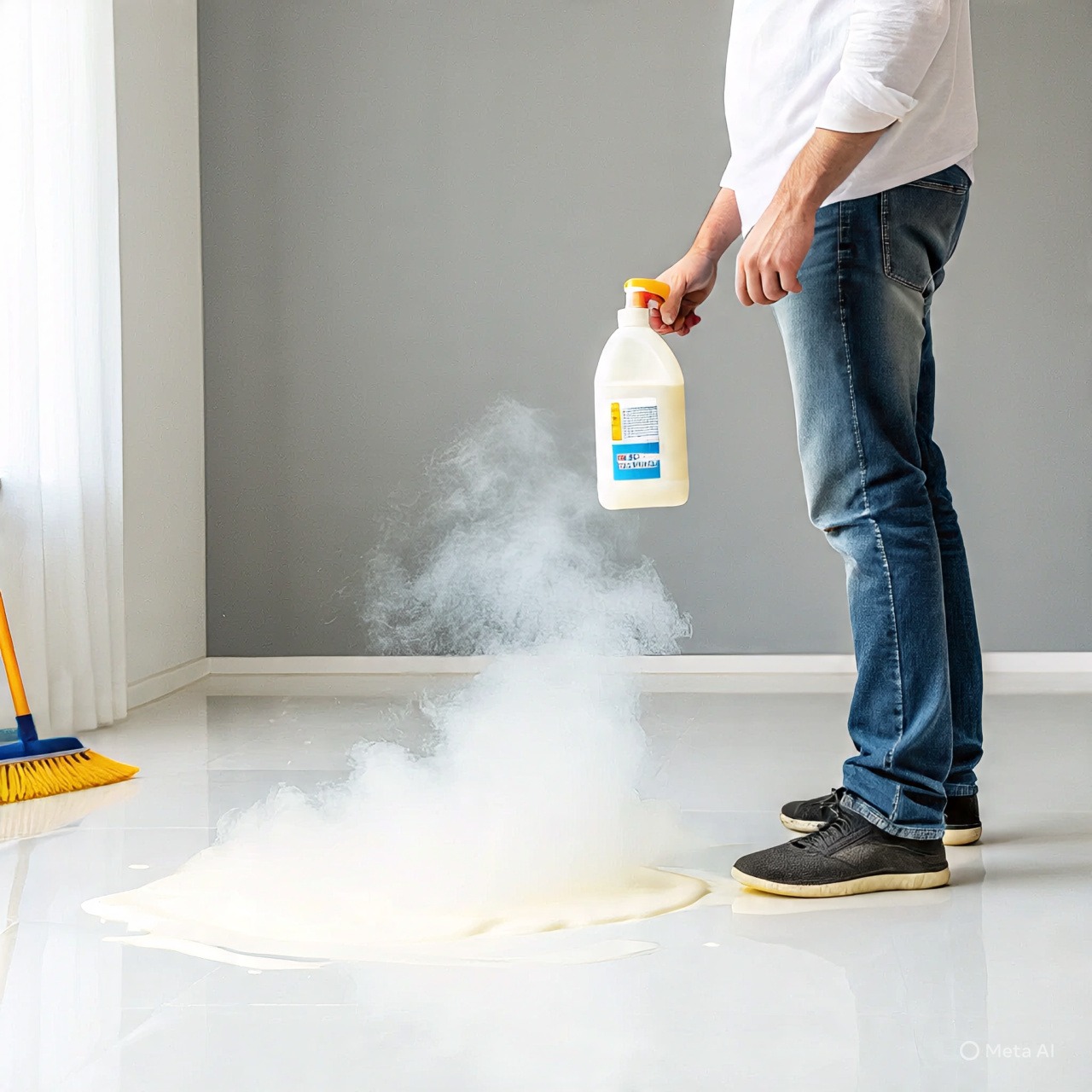
Mixing cleaning agents (e.g. bleach + ammonia) can produce lethal gases. CCS Facility Services warns about severe lung damage when users mix incompatible chemicals.
(vi) Storage and Disposal
Cleanup isn’t over after wiping your floor. The label will often tell you about; what temperature or humidity the product must be stored in and things like “keep away from sunlight” and also “do not freeze” etc. If an international regulated brand the it will surely label “How to dispose of leftover liquid or empty container” as well. Improper storage might degrade the formula or create hazards and improper disposal may violate local regulations.
(vii) Manufacturer Contact Details and Regulatory Approvals
You should find the company’s name, address, product registration number and a phone or website for more information.
(viii) Certifications, Seals & Marketing Badges
Look for seals and stamps of EPA, ZDHC, ISO and other regulatory seals for further addition to the quality of the product.
Common Red Flags!
Here are tactics to watch out for lies, disguised as promises which manufacturers sometimes get sneaky.
⦁ Using “natural” or “organic” without transparency: These words aren’t legally regulated so, demand full ingredient lists.
⦁ “Non-toxic” or “safe” claims: These are vague and unverified also. Check hazards & signal words immediately.
⦁ Fragrance listed without detail: These might hide allergens or phthalates. Prefer “fragrance-free” or “unscented”.
Practical Walkthrough: Label Reading Example
Let me walk you through what you should do when you’re standing in a store aisle with a bottle in your hand (yes, I dragged myself from the abyss for this too).
⦁ Check the front label what does it claim? Disinfect, sanitize, degrease, polish or a detergent?
⦁ Flip to the ingredient list and find active ingredients, their percentages and also note and any vague terms like “fragrance.”
Look for signal words as if it says “Danger” step back.
⦁ Read directions to see if it needs dilution, how long it must stay wet (contact time) and what surfaces are safe for it to be used on.
⦁ Check safety / first aid and make sure you know the basics in case of sudden accidents.
⦁ See storage or disposal instructions as it contains must to know information to gain maximum product efficiency, may be the product must be stored above 5 °C or below 30 °C.
⦁ Find manufacturer / registration and ensure there’s a valid cert number.
⦁ Search for seals or certifications and compare what they require against what you see.
If any of the above steps fails or raises doubts, don’t buy it.
Using Label Knowledge to Choose Wisely
Here’s how to convert your label-reading superpower into smarter shopping and safer living.
⦁ Prefer simpler products with fewer and more transparent ingredients.
⦁ Avoid unnecessary fragrances unless you like wheezing.
⦁ For disinfection, always check for regulatory registration and adequate active content.
⦁ Choose third-party certified “green” products, but verify the criteria.
⦁ Follow instructions exactly like dilution, contact time and surface usage.
⦁ Store and dispose as directed.
⦁ If you have allergies, asthma, or pets; avoid strong solvents like benzene etc.
Conclusion
Reading ingredient labels on cleaning products is not optional rather it’s essential. Your skin, lungs, surfaces and the environment inevitably depend on it. Remember, labels are actually your objective guide; marketing claims are just poetry. Once you train yourself to spot active ingredients, hazard words, directions and certifications; you’ll shop smarter, clean safer and avoid being fooled by hype.
Written by:
Dr. Alex Grant
Content Manager and Co-Founder
Glint Corner
Dr. Alex Grant is a highly professional for cleaning chemistry and detergents. He has all his research in chemical and ingredients for cleaning and detergents. Spreading knowledge to make this planet greener and safer for all forms of life.